
Global Lessons on Greening School Grounds and Outdoor Learning
Netherlands | IVN Natuureducatie
The Institute for Nature Education and Sustainability (IVN) is an organization in the Netherlands working to connect people at the local level with nature through diverse strategies, including greening school grounds. It directly supports schools through technical assistance, resources, connecting local partners, and funding options like the IVN Nature Education Green Schoolyard Fund. IVN is also a partner in the Green Blue Schoolyards initiative in Rotterdam, which supports schools in transforming their outdoor spaces into natural play areas for outdoor education and community use. This multifunctional concept aims to create healthy green spaces, such as parks, and blue areas, such as lakes, canals, and waterfronts, to address various issues, including the risks associated with climate change. The initiative brings an equity lens by prioritizing schools in nature-deprived neighborhoods with higher socioeconomic vulnerabilities.
Find more global case studies.
“During school time, the green schoolyard is an adventure learning landscape, and after school, it is the green living room for the neighborhood,” Ian Mostert, IVN Natuureducatie
Key Aspects of the Case Study
- Community-centered. Community members are integrated early in the process, including the vision drafting stage, and remain engaged through the use and maintenance of the schoolyards.
- Government-led. Greening Rotterdam’s school grounds aligns and supports many of the city’s priorities, making it a sensible intervention that allows them to tap into different public funding streams for maximum benefit.
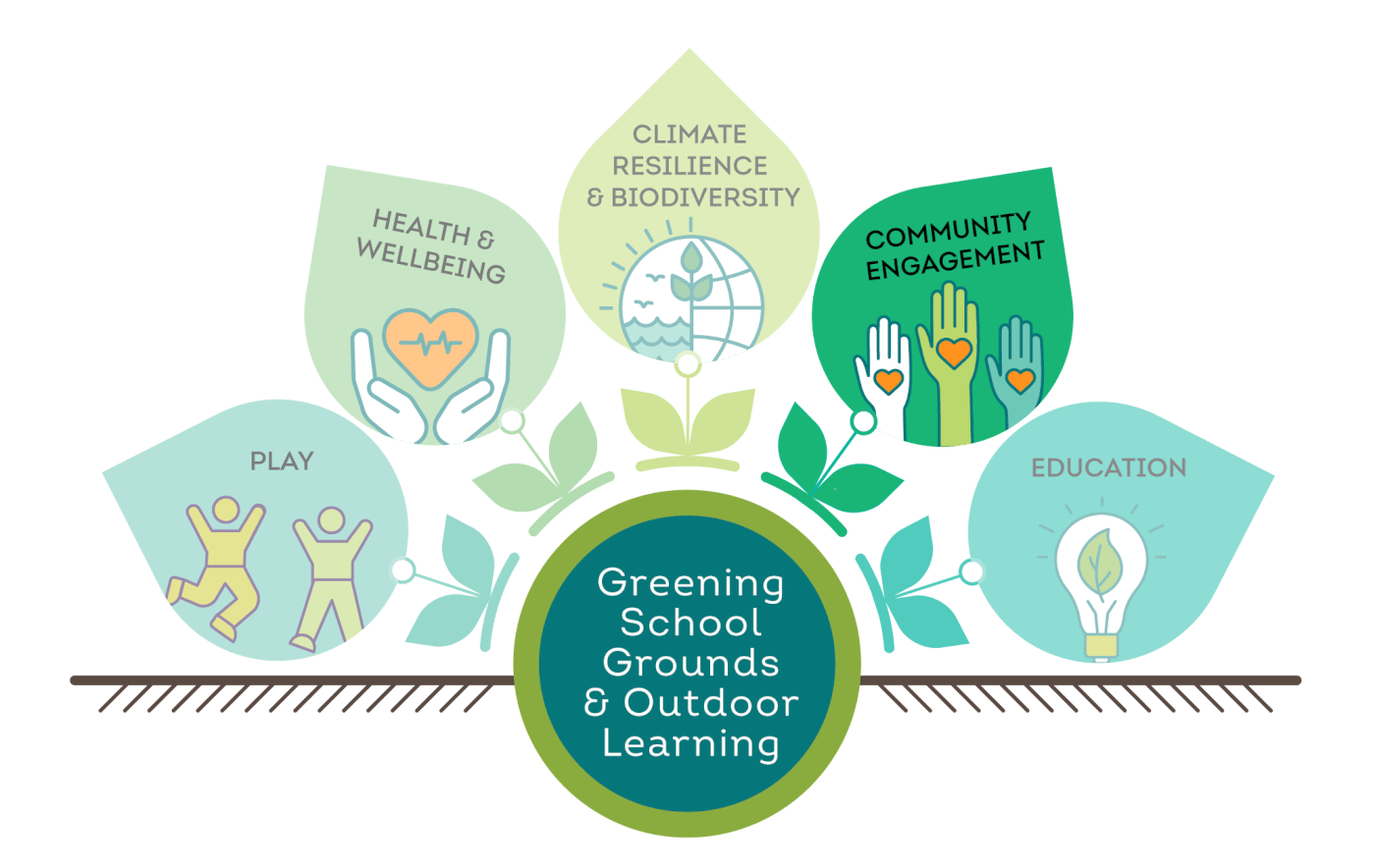
- Multifunctional. The green schoolyards provide many co-benefits: healthier lifestyles, improved mental health, better stormwater management, reduced heat island effects, and a variety of play options for children.
Schools are selected by a team with representatives from multiple city agencies, including education, health, and urban planning. Children, parents, and local community members are then invited to a participatory design process where their input and needs are considered. The goal is to design and integrate green infrastructure that supports children in developing a love for nature. Once completed, the schools oversee maintenance and programming and keep the spaces available for community use after school hours when possible.

Photo: IVN Natuureducatie

Photo: IVN Natuureducatie

Photo: IVN Natuureducatie

Photo: IVN Natuureducatie

Photo: IVN Natuureducatie
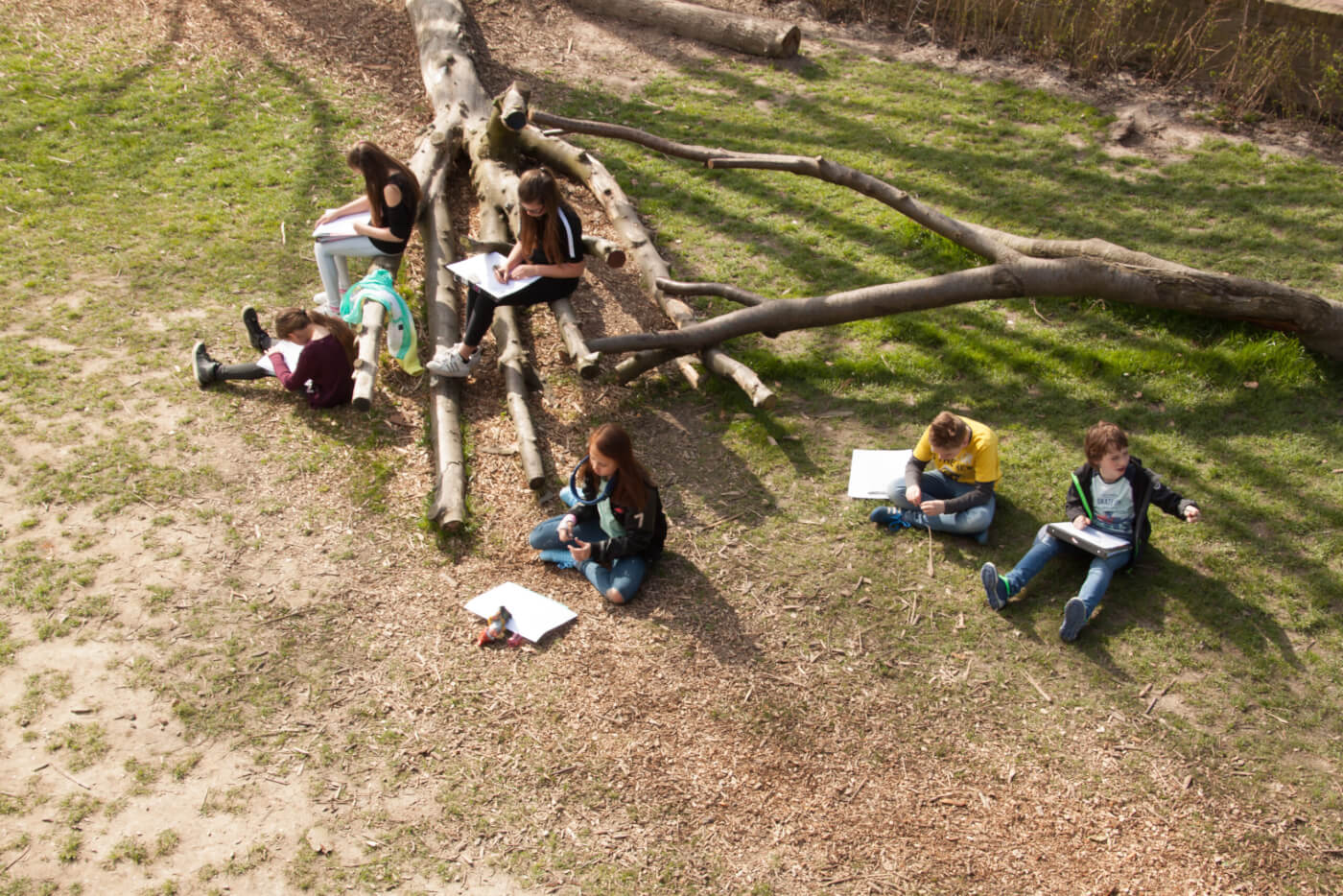
Photo: IVN Natuureducatie

Photo: IVN Natuureducatie
A joint initiative of: